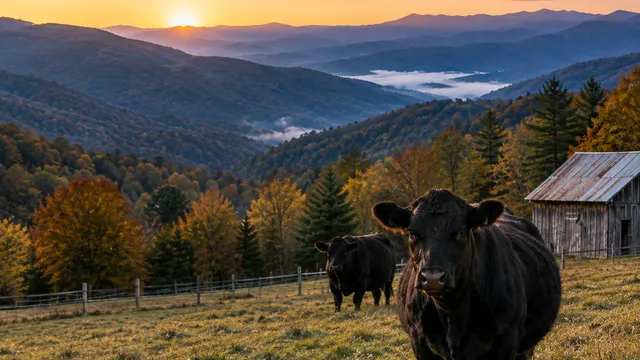
Winter preparation should begin well before cold weather arrives. For cattle producers in North Carolina, the key is to plan ahead for forage availability, nutrition, water, and pasture conditions so cattle can maintain body condition throughout the winter.
Plan Your Winter Forage
One of the most effective ways to prepare is to stockpile forage for winter grazing. NC State Extension identifies tall fescue as an especially useful winter forage because it can retain green leaves and carbohydrates after other forages have stopped growing. Stockpiling generally involves allowing late-summer and fall growth to accumulate for grazing during the winter months.
When stockpiled forage is limited or unavailable, producers should have an adequate supply of good-quality hay on hand. Test hay and forage when possible so supplemental feed can be matched to the cattle's nutritional needs. NC State Extension notes that energy supplementation is often particularly important during winter, although protein may also become limiting depending on forage quality.
Monitor Body Condition and Nutrition
Cold weather increases the importance of maintaining adequate body condition. Producers should regularly observe cattle and adjust feeding programs when forage quality or availability declines. Mineral supplements that meet recommended requirements should also be available to cattle.
Avoid waiting until the herd is losing weight before making changes. A little advance planning can help prevent larger feed costs and health problems later in the season.
Protect Pastures and Water
Winter feeding can create mud, manure buildup, and soil damage, particularly around hay feeders and water sources. Rotating feeding locations or using well-designed heavy-use areas can help protect pasture. NC State Extension also recommends maintaining adequate forage cover and managing feeding areas to minimize pasture damage.
Check water sources regularly during cold weather and make sure cattle have reliable access to clean water. Feed and emergency supplies should be stored where they will remain dry and accessible.
Prepare for Winter Weather
Finally, inspect fences, gates, equipment, shelters, and feeding areas before severe weather arrives. Keep important livestock and veterinary records accessible, and have a plan for obtaining feed and water if a storm or power outage disrupts normal operations. NC State Extension recommends proactive emergency planning to reduce risks to both livestock and farm operations.
Bottom line: Winter cattle management is largely about preparation. Build your forage supply early, monitor cattle condition, protect pastures, maintain dependable water, and have a backup plan for severe weather. Taking these steps before winter arrives can help cattle remain healthy and productive while reducing unnecessary stress and expense.
UPCOMING WORKSHOP: Be sure to check out our upcoming beef cattle program on culling the heard and choosing vaccinations.