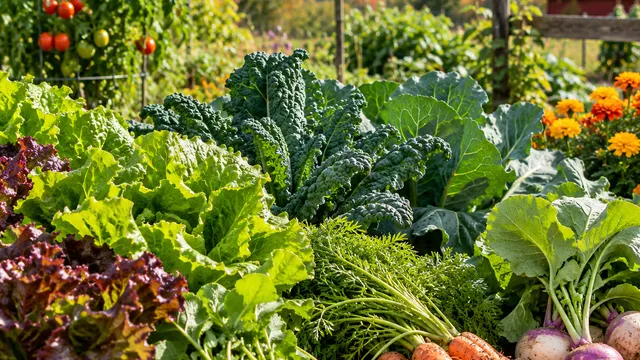
As summer begins to wind down, many gardeners may think the growing season is coming to an end. However, late summer and early fall are excellent times to plant a second garden. A fall garden can provide fresh vegetables well into the cooler months and allow gardeners to make the most of their growing space.
One of the most common questions gardeners ask is: “When should I plant my fall garden?”
The answer depends on what you are planting, how long the crop takes to mature, and your location. Here in the mountains of North Carolina, gardeners should also pay close attention to changing temperatures and the possibility of an early frost.
Start with Your First Frost Date
When planning a fall garden, work backward from your area's expected first fall frost date.
Many fall crops need several weeks of growing time before cold weather arrives. Some crops, such as kale, collards, and other cool-season vegetables, can tolerate light frost and may continue producing after temperatures begin to drop.
For crops that are sensitive to freezing temperatures, you will want to allow enough time for the plants to mature before the first hard freeze.
Keep in mind that frost dates are estimates, not guarantees. Weather conditions can vary from year to year, particularly in mountainous areas where elevation and local conditions can create significant temperature differences.
What Can I Plant for a Fall Garden?
Many of the vegetables we enjoy in spring can also be grown during the fall.
Good choices for a fall garden include:
- Broccoli
- Cabbage
- Cauliflower
- Kale
- Collards
- Lettuce
- Spinach
- Radishes
- Turnips
- Beets
- Carrots
- Mustard greens
- Green onions
Some vegetables, including radishes, lettuce, spinach, turnips, and other greens, can mature relatively quickly and are excellent choices for a fall garden.
Planting Times Matter
One of the biggest mistakes gardeners make with a fall garden is waiting too long to plant.
Although you may be planting in August or September when the weather is still hot, remember that these crops need time to establish themselves before cooler weather arrives.
For many fall vegetables, seeds or transplants should be started several weeks before the first expected frost. Crops that take longer to mature should be planted earlier, while quick-growing crops can be planted later.
Broccoli, cabbage, and other brassica crops are often started from transplants for the fall garden. Lettuce, radishes, turnips, and other quick-growing crops can often be planted directly from seed.
Don't Let Summer Heat Discourage You
It may seem strange to plant a fall garden while temperatures are still in the 80s, but timing is important.
Seeds planted during hot, dry weather may have difficulty germinating. Keep newly planted areas consistently moist until seeds germinate and young plants become established.
Providing some temporary shade during the hottest part of the day can also help young plants get established.
As temperatures begin to cool, the plants will benefit from the more favorable conditions of fall.
Prepare Your Garden Before Planting
Before planting your fall garden, take a few minutes to prepare the soil.
Remove spent summer plants and weeds, and add organic matter such as finished compost if needed. Avoid planting new crops directly into soil that is heavily compacted or depleted.
If your garden has not been tested recently, consider having your soil tested. A soil test can help determine whether your garden needs lime or fertilizer and can help you make informed decisions about soil fertility.
Protect Your Fall Garden from Frost
One advantage of many fall crops is that they can tolerate cooler temperatures. However, even cold-tolerant vegetables can eventually be damaged by freezing weather.
Keep an eye on the forecast as temperatures begin to drop.
Gardeners can extend the growing season by using materials such as:
- Floating row covers
- Frost blankets
- Low tunnels
- Cold frames
- Mulch
These techniques can provide additional protection when temperatures briefly dip below freezing.
Don't Forget About Mulch
Once your fall vegetables are established, adding a layer of organic mulch can help conserve soil moisture, suppress weeds, and moderate soil temperatures.
Materials such as clean straw, shredded leaves, or other suitable organic mulches can be used around plants. Be careful not to pile mulch directly against plant stems.
A Fall Garden Can Extend Your Harvest
A successful fall garden doesn't have to be large. Even a small planting of greens, carrots, radishes, or other cool-season vegetables can provide fresh produce after the summer garden has finished.
For gardeners in Graham County and throughout the mountains of North Carolina, paying attention to planting dates, frost dates, and weather conditions is especially important. Elevation and microclimates can cause growing conditions to vary from one garden to another.
The key is to plan ahead and plant early enough for your crops to mature before the coldest weather arrives.
So, don't put those gardening tools away just yet! Late summer is the time to start planning your fall garden.
Need Help Planning Your Garden?
N.C. Cooperative Extension provides research-based information to help North Carolina gardeners make informed decisions about planting, soil preparation, pest management, and more.
Have a gardening question? Ask Extension!
Contact the Graham County Extension Center for gardening information and resources.
Graham County Extension Center
39 South Main Street
Robbinsville, NC
828-479-7979